



The Universal Charitable Deduction is back
Learn how to lower your taxable income in 2026 by claiming the newly permanent universal charitable deduction.
What non-itemizers need to know for 2026
For the millions of Americans who claim the standard deduction, the new year brings more than just a fresh start; it brings a significant tax benefit for your generosity.
Following the passage of the One Big Beautiful Bill (OBBB) Act, the universal charitable deduction has officially returned as a permanent fixture of the U.S. tax code. This legislative shift is a major win for the everyday donor who wants their support for high-impact charities recognized by the IRS without the complexity of itemizing.
The new rule at a glance
Starting January 1, 2026, taxpayers who do not itemize can claim an "above-the-line" deduction for cash contributions made to qualified 501(c)(3) charities. This means the deduction is subtracted from your gross income before the standard deduction is applied, effectively lowering your taxable income.
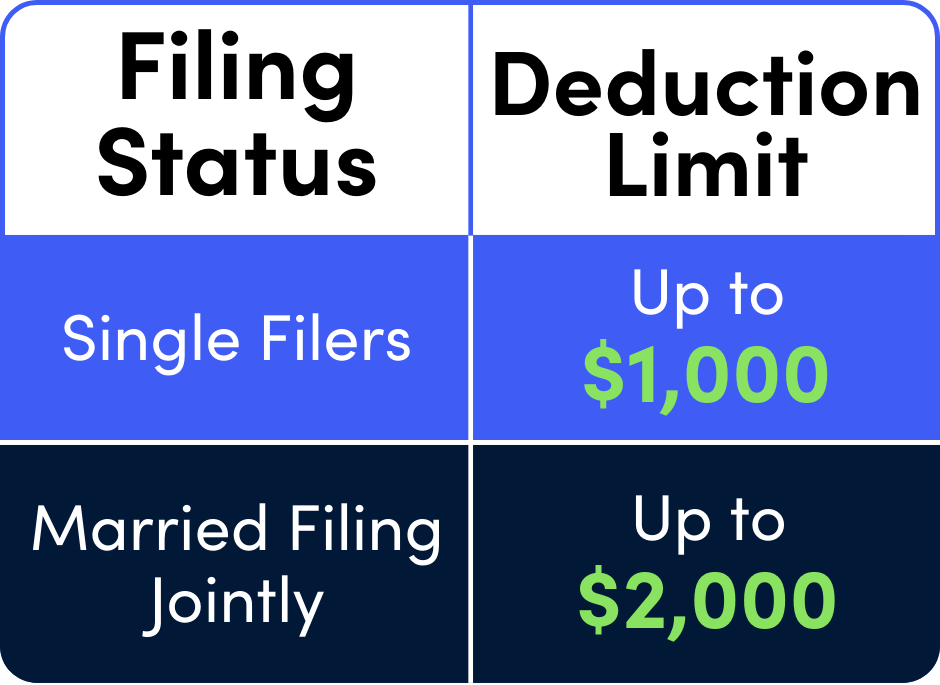
The tax break is here to stay, but the math for 2026 is fixed. With limits set at $1,000/$2,000, the value of your deduction is effectively locked at this rate for the year. Because these caps won't adjust for inflation until future cycles, the most impactful time to leverage this benefit is now.
Key requirements for tax-deductible donations
To ensure your gifts qualify for this charitable tax deduction, keep these three criteria in mind:
Cash only: The universal deduction applies specifically to cash, check, or credit card donations. In-kind donations (like clothing or household goods) still require itemization to be deductible.
Qualified charities: Contributions must go directly to operating 501(c)(3) organizations. Use Charity Navigator’s search function or Horizon AI Search to verify the status and ratings of your favorite charities.
DAF exclusion: It is important to note that contributions to Donor-Advised Funds (DAFs), supporting organizations, or private foundations do not currently qualify for this specific "above-the-line" benefit.
Why this matters for your philanthropy
In recent years, the high standard deduction has left many donors feeling that smaller, consistent gifts didn’t provide a direct tax benefit. While you can still choose to itemize, new rules have made it more difficult; only donations exceeding 0.5% of your Adjusted Gross Income (AGI) are now deductible under that method.
By contrast, the Universal Charitable Deduction has no such floor. You get the best of both worlds: the ease of the standard deduction plus a guaranteed tax break for your generosity, without having to clear a math hurdle first.
Strategic moves for 2026
- Max out your benefit: If you usually give $500 a year, consider increasing your support to reach the $1,000 or $2,000 threshold to maximize your tax advantage.
Keep your receipts: Even though you aren't itemizing, the IRS requires documentation for any cash gift of $250 or more for your tax deduction. If you've used the Giving Basket to donate, receipts will be emailed to you and saved in your Charity Navigator account for easy access.
Check the rating: Before you give, ensure your chosen charity is using your funds effectively. A four-star rating on Charity Navigator ensures your gift is making the greatest possible impact.
Disclaimer: Charity Navigator provides data and analysis to guide your philanthropic journey, not to offer professional tax or legal advice. Tax laws are nuanced and subject to individual circumstances. We recommend consulting with a qualified tax accountant or financial advisor to understand how these new rules apply to your specific financial situation.